Logo

Paramax9 Casino Login Australia

A practical 2026 look at sign-in flow, account tools, payments, support, and the small details that shape a smoother session.

Slot Fortune Gems 2

Table of Contents

  • The Dog House Megaways Slot
  • Lucky Joker 10 Extra Gifts Slot
  • Sword of Ares Slot
  • Floating Dragon Hold & Spin Slot
  • Leprechaun Riches Slot
  • Fruit Cocktail Slot
  • The Dog House Megaways Slot
  • Sword of Ares Slot
  • Fruit Million Slot
  • The Dog House Megaways Slot
  • Fruit Box Slot
  • Big Fisherman Slot
  • Seven Books Unlimited Slot
  • Paramax9 Fortune Slot
  • Sword of Ares Slot
  • Floating Dragon Hold & Spin Slot
  • 9 Mad Hats Slot
  • Floating Dragon Hold & Spin Slot
  • Big Bass Splash Slot

Why Paramax9 Login Matters In 2026

Most players do not form an opinion after reading a banner. They form it after trying to enter the account, check the balance, and move from the front page to the lobby without friction. That is why the access flow matters so much in 2026. For adults in Australia, and within applicable local rules, a casino platform feels trustworthy when the first steps are clear and repeatable.

login 1

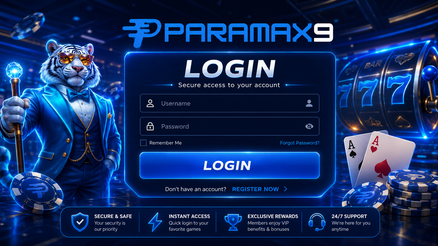
Imagine opening the platform during a short break and wanting to resume a session from the night before. You expect the account button to be obvious, the sign-in form to load quickly, and the next screen to tell you exactly where to go. Usually, people stay with the service that makes routine actions easy, not the one that talks the loudest.

The sign-in stage affects everything that follows. If the opening steps feel messy, users start the session irritated. If they feel direct and well placed, the same player enters the lobby calmer and notices the account tools sooner.

login 2

How Players Read The First Minutes

The first minutes are rarely dramatic, but they are revealing. A player enters the details, checks whether the balance appears correctly, and looks for the path to payments, support, or limits. Those actions tell more about the quality of the platform than any visual promise on the homepage.

Picture someone returning after three or four days away. The person does not want to study the interface again from zero. Usually, a good platform makes the account area feel familiar on every visit, so users can move from entry to play without re-learning the layout.

People also notice what does not interrupt them. No unnecessary detours. No guessing where the cashier went. Quiet usability often creates stronger trust than a louder design.

What Paramax9 Casino Login Australia Suggests About Usability

A smooth entry flow usually suggests that the rest of the platform was built with the same logic. The user signs in, lands in a readable account area, and can immediately see where deposits, recent activity, and break tools live. That sequence matters because it turns a casual visit into a manageable routine instead of a chain of small obstacles.

Imagine signing in from a phone while standing in line at a shop. If the next screen throws too many choices at once, the session begins with noise. Usually, the better route is simpler: open the account, scan the balance, and choose whether you want to play, deposit, or leave the session for later.

Mobile Sessions And The Return Visit

Mobile use changes what people expect. On desktop, a player may compare several categories before making a choice. On a phone, the same person usually wants fewer taps and less visual clutter. The path to the most important actions has to stay short.

Imagine coming back to the casino late in the evening with only fifteen minutes free. Usually, players in that situation do not browse forever. They check the account, pick a familiar format, and move quickly. If the mobile version keeps the balance, profile tools, and navigation easy to find, the session feels more controlled from the first screen.

Small Frictions That Change Player Behaviour

Tiny delays affect behaviour more than most operators admit. A hidden password reset path, an unclear error line, or a profile section buried too deeply can push a user into rushed decisions. The issue is not only convenience. It is the mood created by the interface at the exact moment someone wants a simple action to work.

Picture a player who mistypes a password once, then sees a vague message and starts tapping faster. Usually, the problem grows because the screen is unclear, not because the original mistake was serious. Better design slows that spiral down by explaining the next step in plain language.


login 3

Registration, Verification, And Account Control

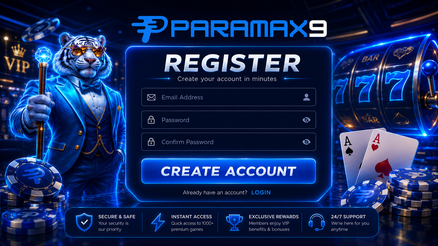
Registration should feel like a sequence that respects the player's time. Enter the basic details, confirm the account, review the profile area, and understand what still needs attention. Good platforms do not try to make this stage look exciting. They make it readable.

Imagine creating an account after comparing several casinos in one evening. At that point, patience is limited. Usually, the service that wins is the one that keeps the form short, labels the fields clearly, and shows what can be completed later versus what needs action now.

Verification is not glamorous, but it supports smoother deposits, withdrawals, and account protection later. Players accept routine checks more calmly when the request is specific and easy to find again. Confusion grows when the platform asks for something without showing why it matters or where the request will remain visible.

Adults who treat casino play as paid leisure care about account control more than people think. They want to review activity, adjust details, and locate break tools without guesswork.

Password Resets Without Panic

The most effective recovery flow is rarely the fastest-looking one. It is the one that tells the user exactly what happened, what to expect next, and when to move to support instead of repeating the same action. Imagine trying to recover access before a short evening session. Usually, calm instructions matter more than speed claims, because they stop users from making the same mistake twice.

Payments, Limits, And Everyday Decisions

Banking is where trust becomes practical. A player deposits, checks the balance, reviews history, and later decides whether to continue or withdraw part of the funds. Each of those steps should feel structured, not improvised. Exact timing can depend on the chosen method and on whether the account is fully in order, so the better experience comes from clear status updates rather than sweeping promises.

Imagine making a modest deposit on a Friday night and planning to keep the session short. After twenty minutes, you decide to stop, keep part of the balance untouched, and send the rest out through the cashier. Usually, confidence comes from seeing each action listed clearly: available funds, pending items, and the path back to the request history.

Limits matter just as much as payments. Deposit caps, cooldowns, session reminders, and stronger self-exclusion options help users separate entertainment from impulse. These tools are not signs of trouble. They are ordinary parts of adult account management.

Area

What Players Usually Check

Why It Helps

Deposit Methods

Available options, confirmation steps, clear amounts

Lets users fund the account without guesswork

Withdrawal Requests

Current status, request history, balance movement

Helps players track actions after the session

Account Records

Recent activity, profile notices, money flow

Reduces repeated questions and confusion

Limit Tools

Budget caps, breaks, stronger restrictions

Supports steadier decisions during play

Help Access

Contact route, topic sections, visible replies

Gives users a clear next step when stuck

Reading Paramax9 Login Status Messages Clearly

Status wording matters more than many users expect. A short line in the cashier can either calm the session down or create unnecessary worry. Imagine checking a request after an hour and wondering whether to submit it again. Usually, the better design tells you what exists already, what is still being processed, and when contacting support makes more sense than repeating the action.

The Lobby After Sign-In

Once the player is inside, the next question is simple: can the right game be found without friction? A large catalogue sounds useful, but real value comes from structure. Categories, search, recently played titles, and sensible menus shape the experience more than raw volume.

Imagine logging in with only twenty minutes free before bed. Usually, you do not want endless banners or repeated promotions blocking the way. You want to open the lobby, find a familiar section, compare a few options, and start. A platform that respects this rhythm tends to feel more mature.

Different players also need different tempos. Some want fast, light sessions with simple mechanics. Others prefer slower table play, where every move matters more and the pace naturally creates pauses. A well-designed lobby does not push both groups into the same path. It lets each person reach the right format quickly.

Clear stake information, easy access to rules, and visible favourites can also slow the session just enough to support better choices. When everything is loud and urgent, people drift. When navigation is calm, they decide.

How Familiarity Builds Trust

Trust often grows through repetition, not novelty. A player returns three times in one week, notices that the menus stay where expected, and stops feeling like every visit begins from scratch. Imagine checking the account from desktop one day and mobile the next. Usually, consistency across devices matters more than flashy design because it protects routine and reduces avoidable mistakes.

Fast Browsing Versus Better Choices

Speed is useful until it starts pushing the player instead of helping. Imagine opening a game within seconds but later realizing you skipped the stake check, ignored the session budget, and drifted into a longer play window than planned. Usually, the better platform is not the one that accelerates every click. It is the one that keeps browsing easy while still leaving room for thought.

Support, Break Tools, And A Better Routine

Support becomes important when a small issue blocks a normal action. A reset message may not arrive. A payment note may look unclear. A profile reminder may remain visible after the user thought it was already handled. In those moments, people need a route that feels organized, not hidden behind generic help text.

Imagine sending a question late in the evening and checking back the next morning. Usually, frustration stays lower when the help area groups topics clearly and lets the user follow the message trail without digging through unrelated menus. Even a basic support route feels stronger when it respects context.

Break tools belong in the same practical conversation. Session reminders, timeout settings, and stronger exclusion options work best when they are visible before the player feels overwhelmed. Adults who manage their play well often choose these controls early, not after a bad session.

A better casino routine usually begins before the first spin or hand. Set the amount. Decide the length. Think about the reason for logging in - brief entertainment, trying a new title, or simply using a short free window without letting it expand.

Imagine telling yourself at the sign-in stage that tonight is a twenty-minute visit with one deposit and a firm stop. Usually, that decision changes the whole mood. The player browses more calmly, ignores distractions more easily, and leaves with fewer regrets because the session had a clear frame from the start.

When To Pause Instead Of Continue

One of the most useful skills in casino play is recognizing the moment when the session no longer matches the plan. Imagine noticing that a quick visit has already stretched past an hour and the original budget feels less clear in your head. Usually, that is the moment to use a break tool, not to search for a bigger recovery. Pausing protects the next decision, which is often more important than the last result.

FAQ

Start by slowing the first minute down. Open the platform, check that you are using the correct entry form, type the details carefully, and only then move toward the lobby or cashier. Imagine trying to get into a short session while multitasking on your phone. Most mistakes in that moment come from rushing, not from the account itself. A calmer first entry usually saves time because it prevents repeated attempts and keeps the rest of the session organized.

Begin with the simple checks before assuming a larger issue. Re-enter the details manually, confirm that the password is current, and use the recovery path if needed. Imagine returning after several days and finding that the saved credentials no longer work. Usually, the problem is smaller than it feels at first. Step-by-step recovery is more effective than tapping through the same screen in frustration.

Because the cashier turns the whole experience into something measurable. Deposits, balance history, request status, and recent account activity all live there, so users read it as a sign of how organized the platform really is. Imagine winning a modest amount and deciding to move part of it out instead of continuing. In that moment, the quality of the cashier matters more than any homepage banner because it shapes whether the session ends calmly or with confusion.

Contact becomes the better choice when the next step is no longer clear. That might happen when a reset message does not appear, a request status seems inconsistent, or a profile notice remains visible without explanation. Imagine reading the same short message several times and still not knowing whether to act or pause. Usually, a focused support question is better than guessing, especially when the issue affects access or money flow.

The strongest method is to decide the budget and rough session length before you enter the lobby. Think about why you are playing, how much time you want to give it, and what will make you stop even if the mood shifts. Imagine opening the platform after a stressful day. Without a plan, it is easy to drift. With a spending cap, a timer, or a timeout option ready, the session has a shape that is easier to respect.

For many adults, yes, if the mobile version keeps the essential tools visible. The balance, account area, cashier, and game categories should remain easy to reach without too many taps. Imagine checking in during a commute or while standing outside a shop. In those moments, a good mobile layout matters because the player has less patience and less screen space. Clear paths beat flashy screens every time.

Consistency more than excitement. A player returns on different days, from different devices, and sees the same logic in the menus, the same clear transaction history, and the same easy access to break tools or support. Imagine comparing one smooth visit with five ordinary ones across two weeks. Usually, the long-term impression comes from repeated clarity, not from one dramatic session. That is what turns a usable platform into one people feel comfortable revisiting.